Turkish Lira (TRY)
Türkiye's currency, which has lost value fast in recent years — so prices in lira change often, foreigners are charged in euros at museums, and the smart move is card for most things and small lira notes for the rest.
The lira (TRY, symbol ₺, locally 'TL') has been through years of high inflation, which is why a guidebook price from two years ago is meaningless and why national museums now list foreign-visitor tickets in euros. Notes run from 5 to 200 lira; coins to 1 lira. For visitors the practical effect is simple: pay by card wherever you can and carry lira only for small things.
Cash and cards
- Cards: Visa and Mastercard work in nearly every shop, restaurant and taxi in Istanbul; contactless is universal. Always choose to be charged in lira, not your home currency.
- Cash: TRY 1,000–2,000 per person covers simit, tea, ferries, tips and small bazaar buys for a few days.
- ATMs: use bank ATMs (Ziraat, İş, Garanti, Yapı Kredi) inside branches; decline the 'conversion' offered on screen and expect a fee of a few percent from some banks.
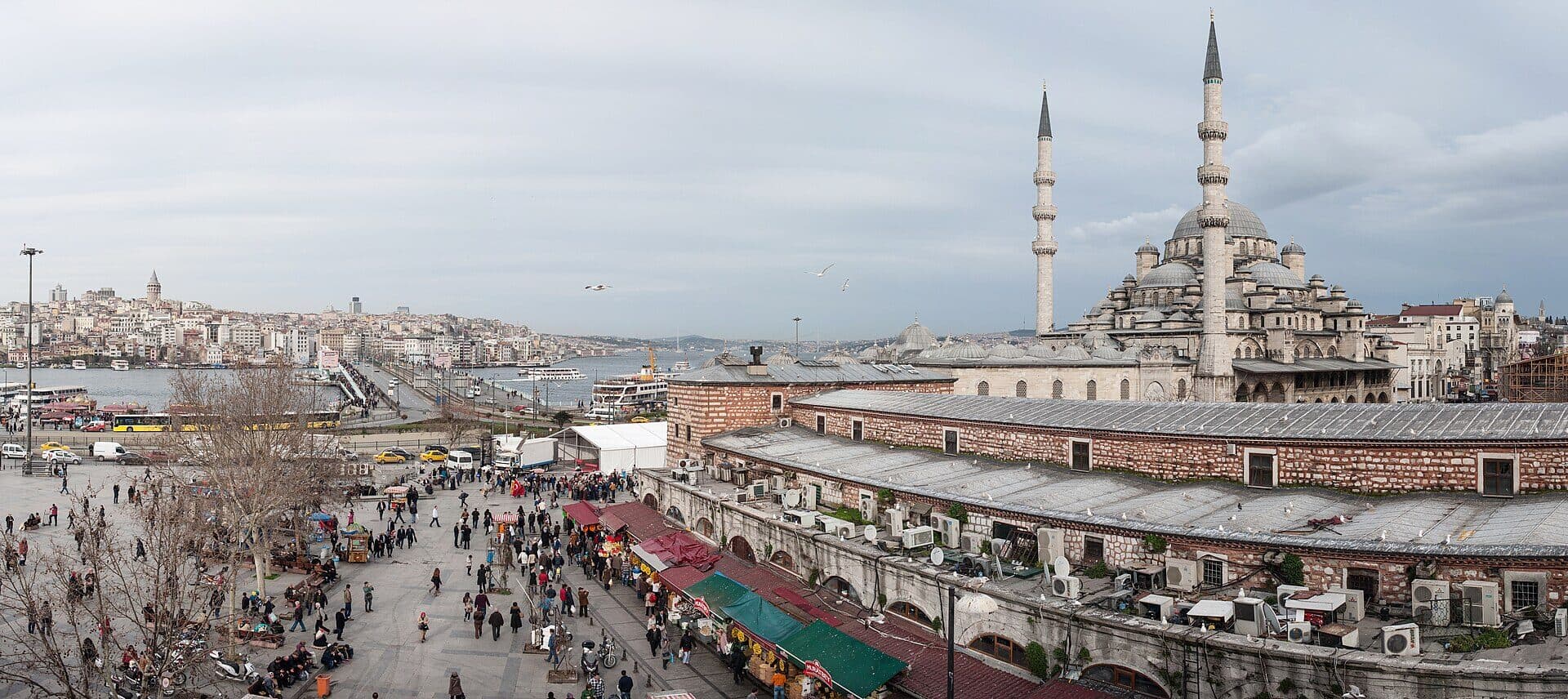
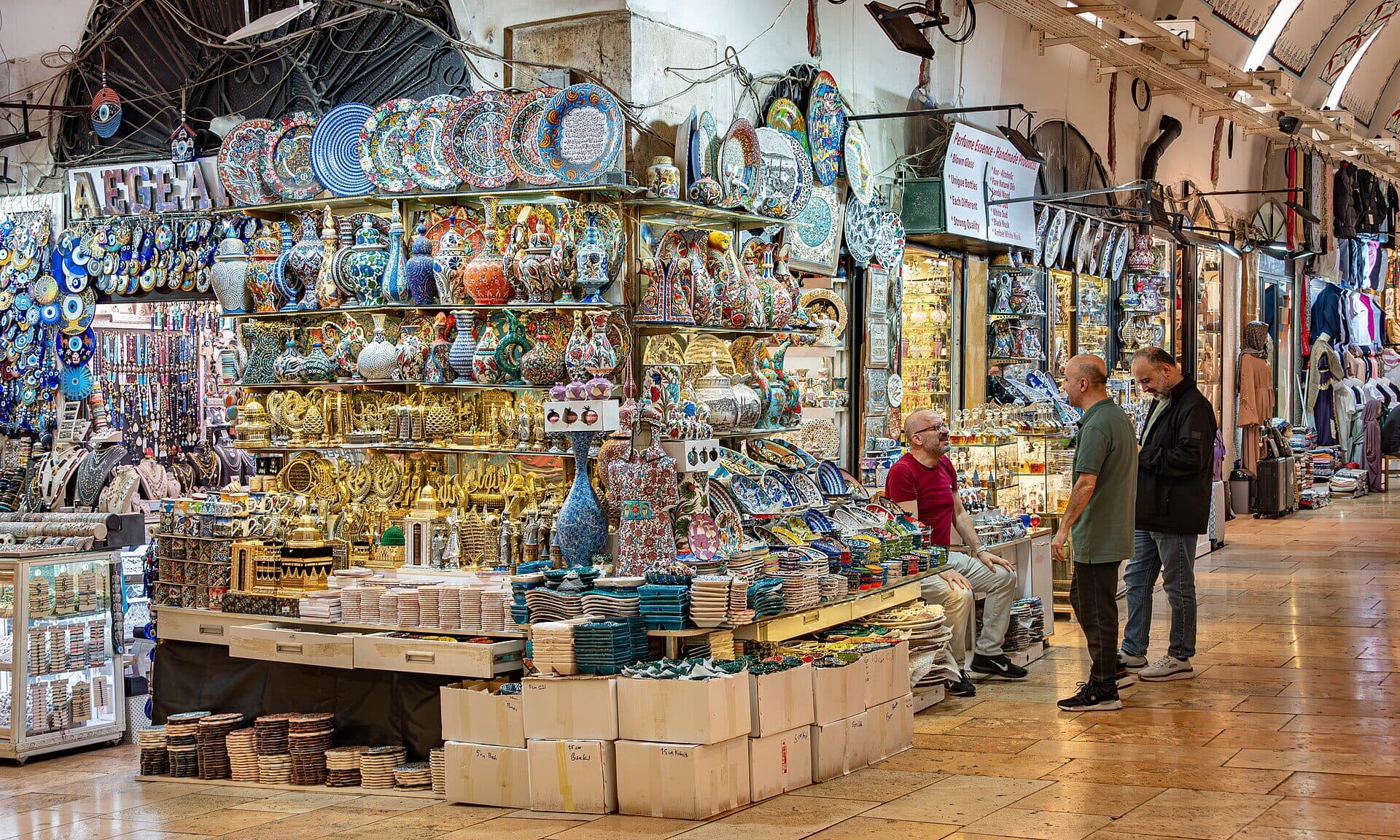
- Exchange: döviz bureaux in the Grand Bazaar area and Sirkeci give near-interbank rates with no commission; airports and hotels are the worst. Dirhams, dollars and euros all exchange easily.
Tipping and pricing
Tip 5–10% in restaurants in cash, round up taxis, and give TRY 20–50 to porters and hammam attendants. Menus without prices and 'tourist menus' in Sultanahmet are the warning signs; a lokanta shows its prices on the counter. In the bazaars, quotes in euros or dollars are a negotiation opener, not a price.
Frequently asked questions
Either exchanges easily at a döviz; you can also pay hotel bills and many tours in euros. For daily spending use a card and lira.