Emirati Cuisine
The food of the Emirates before the skyscrapers — machboos rice, harees, luqaimat dumplings in date syrup, camel milk and cardamom coffee — easy to miss in a city of 200 cuisines, and worth seeking out in Old Dubai.
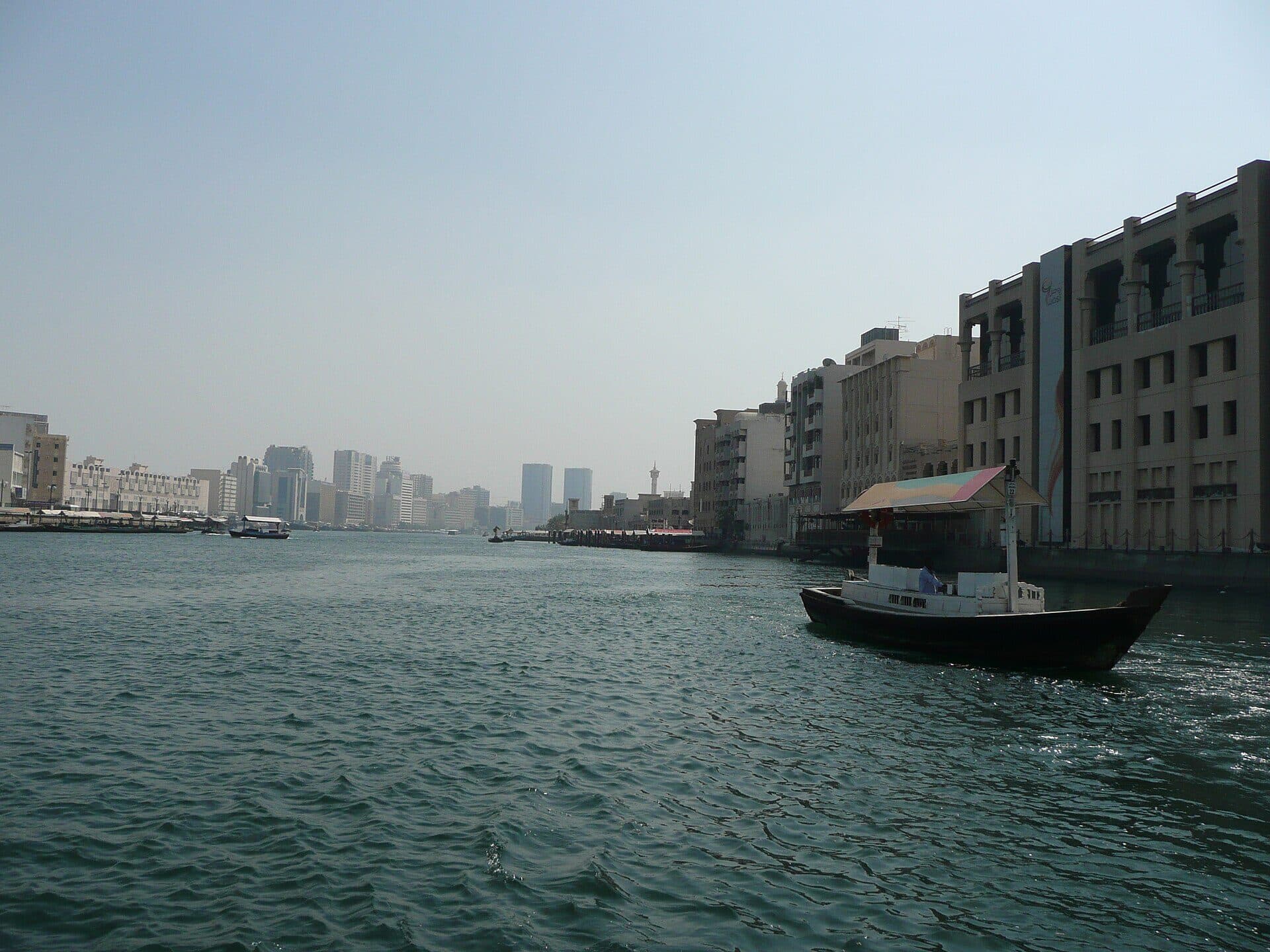
Emirati cooking grew from Bedouin, pearling and trading life: rice and fish from the coast, lamb and camel from the desert, and spices — cardamom, saffron, dried lime, turmeric — from the Indian Ocean routes that Dubai's creek served. It is home cooking more than restaurant food, which is why a hosted meal at a cultural centre often beats a menu.
What to order
- Machboos (or majboos): the national dish — spiced rice cooked with chicken, lamb or fish, dried lime and a tomato-onion base.
- Harees: wheat and meat slow-cooked to a porridge; the Ramadan staple.
- Luqaimat: crisp fried dough balls in date syrup and sesame — the dessert everyone loves.
- Balaleet: sweet saffron vermicelli topped with an omelette, eaten at breakfast.
- Saloona: a vegetable and meat stew; samak mashwi: grilled fish from the Gulf.
- Gahwa: light, cardamom-scented Arabic coffee poured from a dallah into tiny cups, always with dates.
Where to eat it
Arabian Tea House and the Sheikh Mohammed Centre for Cultural Understanding in Al Fahidi; Al Fanar for a themed 1960s Dubai setting; Logma and Al Khayma for modern takes; the heritage pavilions at Global Village in winter. Everything is halal, portions are generous, and a full meal costs a fraction of a hotel restaurant.
Frequently asked questions
Machboos — spiced rice with meat or fish, dried lime and tomato, related to Gulf kabsa.