Karak Chai
Dubai's everyday drink: strong black tea boiled with evaporated milk, sugar and cardamom, sold for a dirham or two from roadside cafeterias — often through the car window.
Karak — from the Hindi 'kadak', strong — arrived with the South Asian workers who built the Gulf and became the drink of everyone: labourers at dawn, Emiratis in Land Cruisers at midnight, students between lectures. It is brewed hard, sweetened, thickened with evaporated milk and perfumed with cardamom, and it costs less than the parking.
How it works
- Order at the counter of a 'cafeteria' — the small neighbourhood cafés with a hatch — or flash your lights from the car and a runner brings it to the window.
- Regular karak, zafran (saffron) karak, or with ginger; ask for 'less sugar' if you value your teeth.
- Pair it with a regag (crisp Emirati crepe with cheese and honey), a chapati roll or a Nutella-stuffed 'paratha' — the cafeteria canon.
- AED 1–2 a cup at cafeterias; AED 10+ at branded karak chains and hotel cafés.
Where
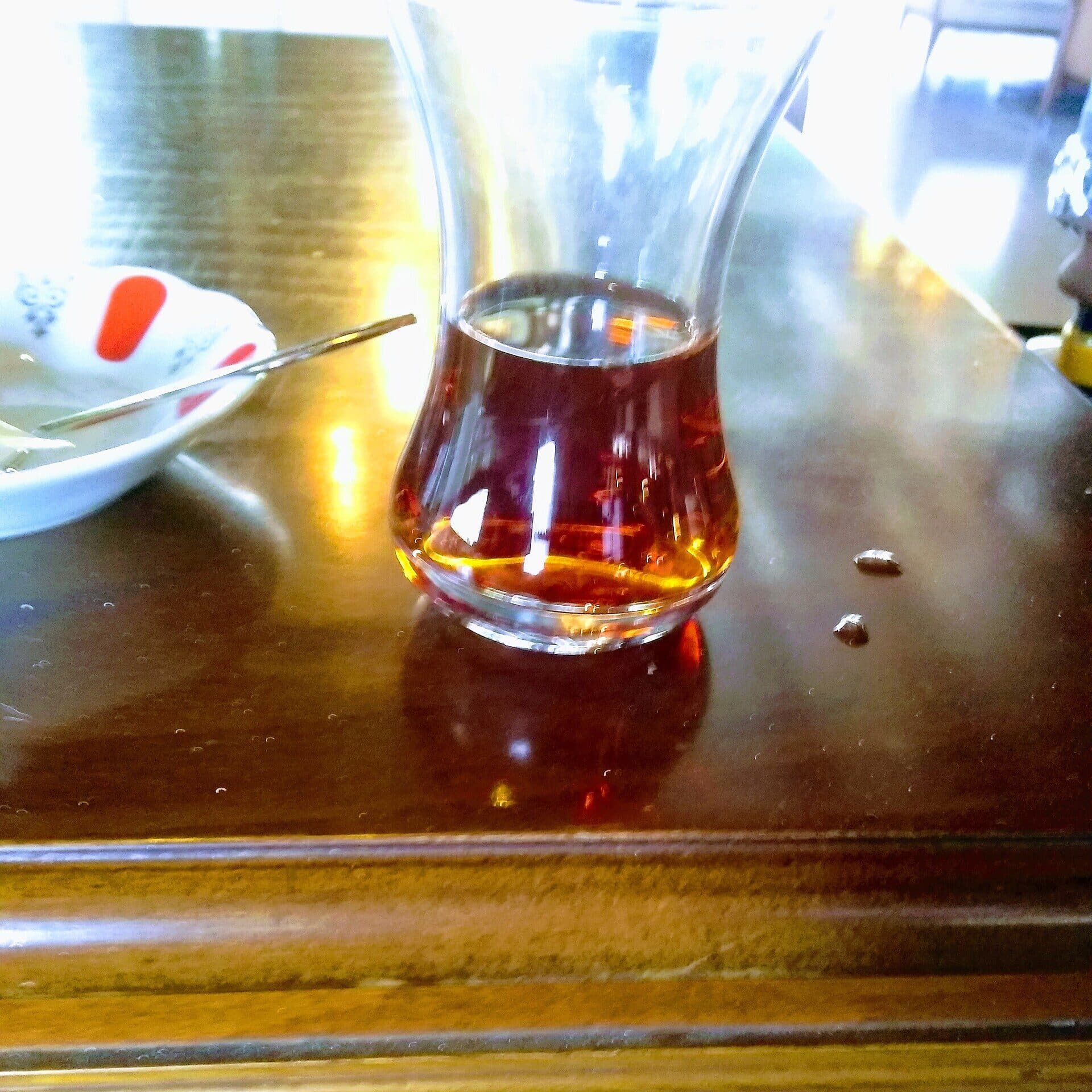
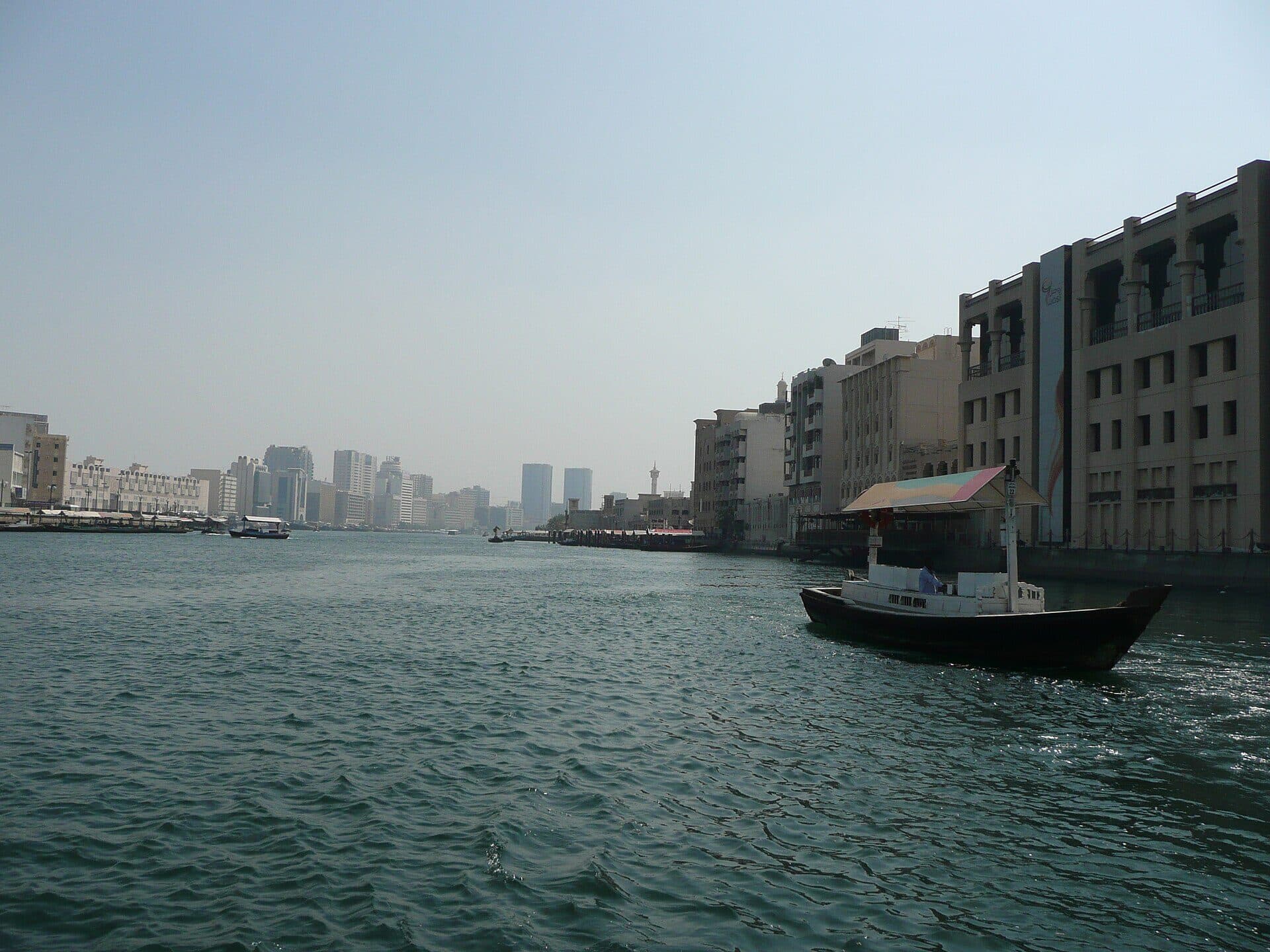
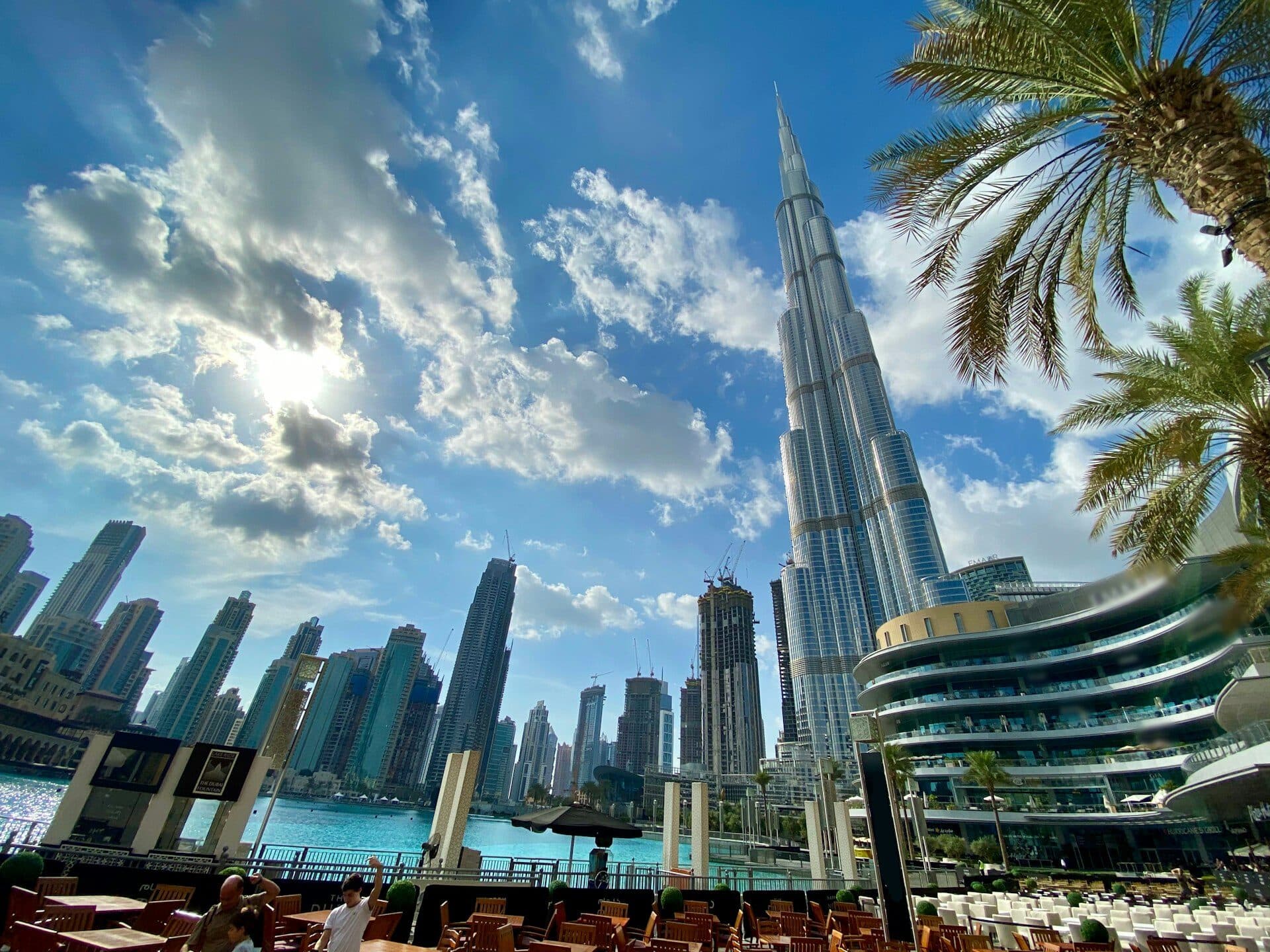
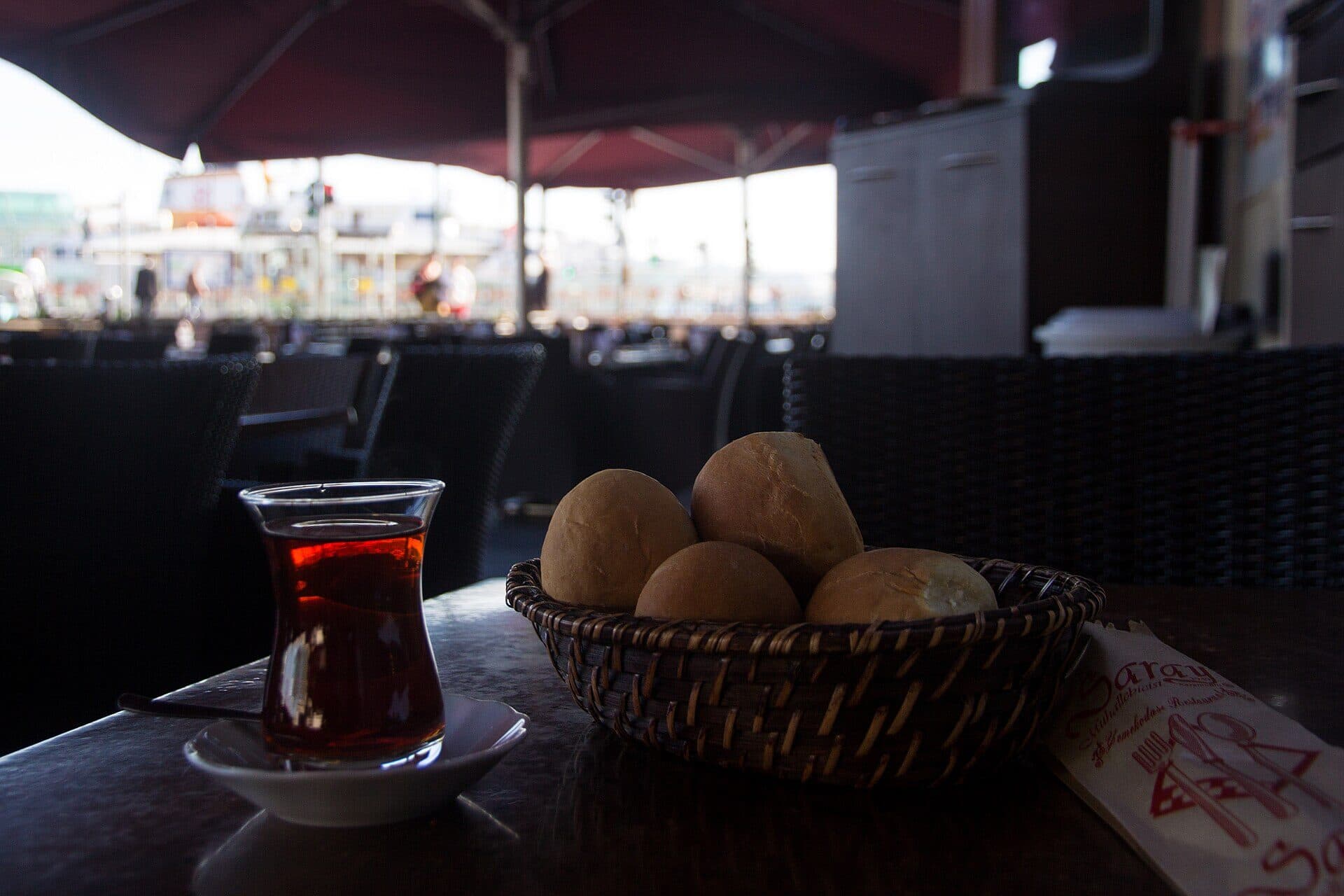
Every neighbourhood has a favourite; the Jumeirah Beach Road and Satwa strips are the classic drive-through zones, and Filli, Karak House and Project Chaiwala are the polished versions. In Old Dubai, the Arabian Tea House pairs it with an Emirati breakfast. Turkish tea is its northern cousin: black, unsweetened, no milk — Istanbul would not recognise karak as tea at all.
Frequently asked questions
Strong black tea boiled with evaporated milk, sugar and cardamom; saffron or ginger are common additions.