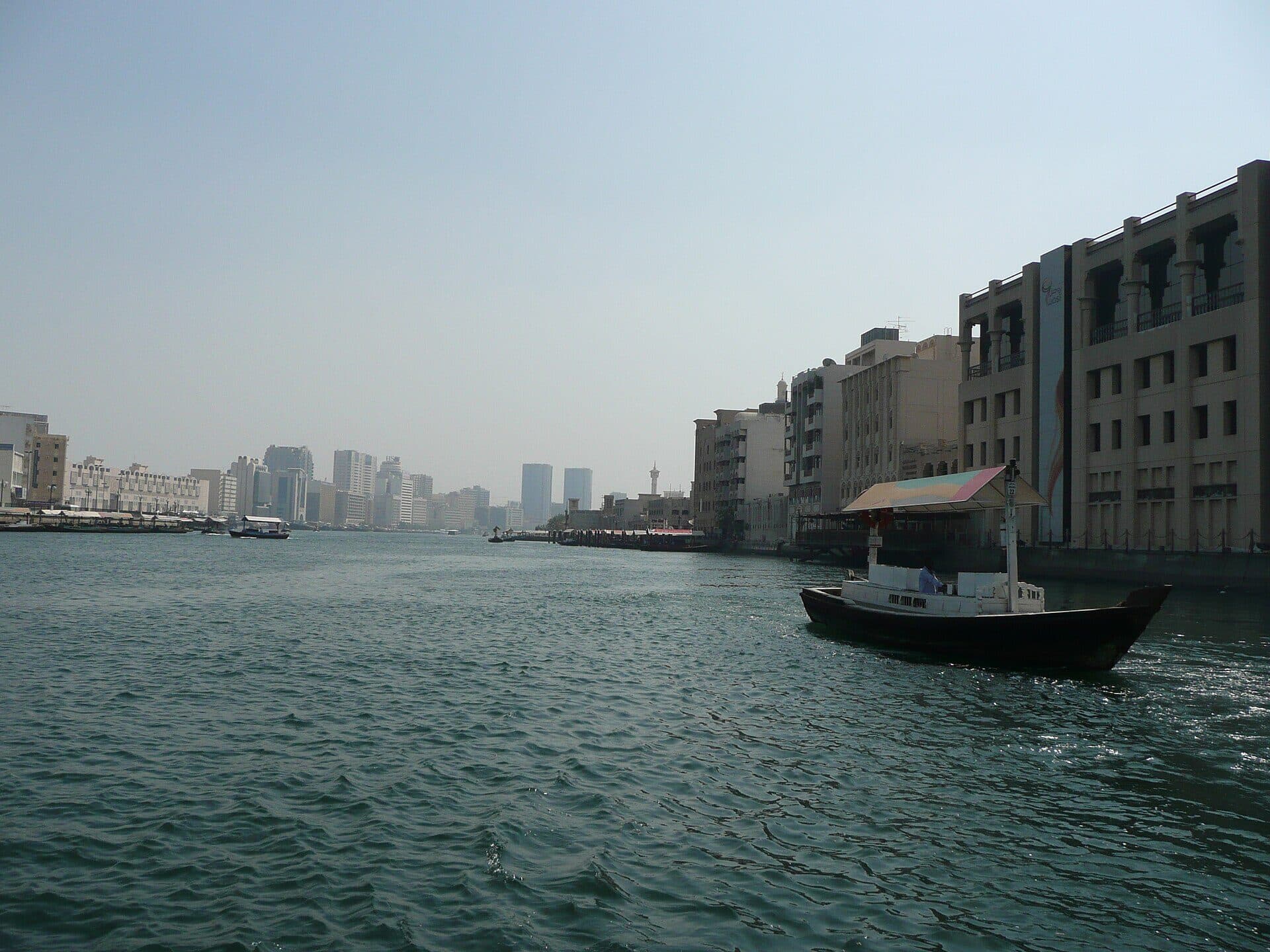
Al Fahidi & Dubai Creek
Old Dubai: the wind-tower lanes of Al Fahidi, the Creek that founded the city, the abra crossing, and the Gold and Spice Souks of Deira on the far bank.
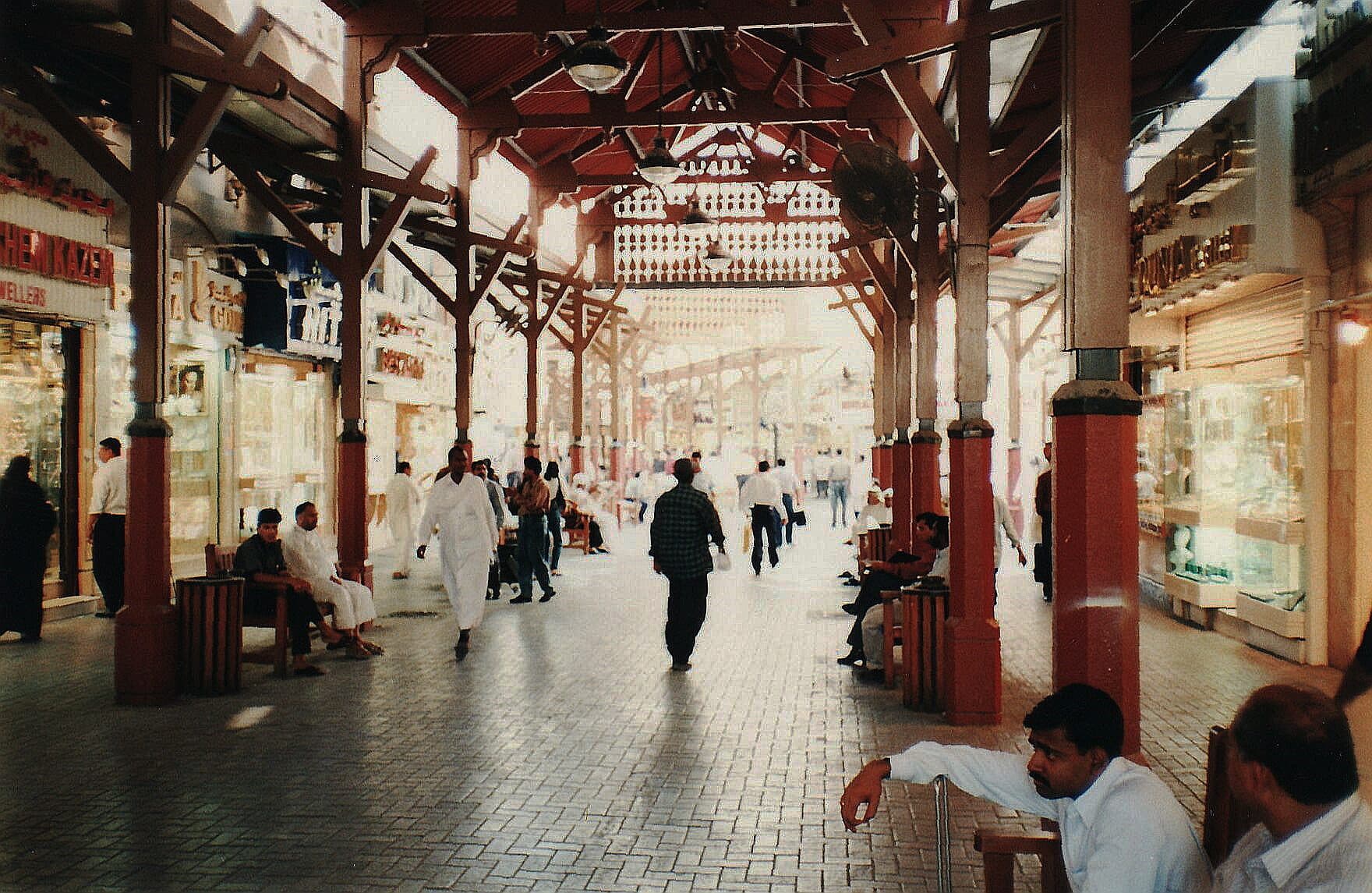
Dubai began as a fishing and pearling village on the Creek, a 14-km saltwater inlet. On the Bur Dubai bank, Al Fahidi Historical Neighbourhood (long called Bastakiya) preserves 1890s merchant houses with wind towers — the barjeel that cooled rooms before air conditioning. Across the water, Deira's souks are still where the city trades gold, spices and textiles.
A half-day route
- Start at Al Fahidi metro (Green Line) and wander the lanes: the Coffee Museum, XVA Gallery, Arabian Tea House for karak and Emirati breakfast, and the Sheikh Mohammed Centre for Cultural Understanding for a hosted lunch.
- Walk the Creek promenade past Al Fahidi Fort (1787) to the Textile Souk and the abra station.
- Cross by abra — a five-minute ride on a wooden water taxi for AED 1–2 in cash.
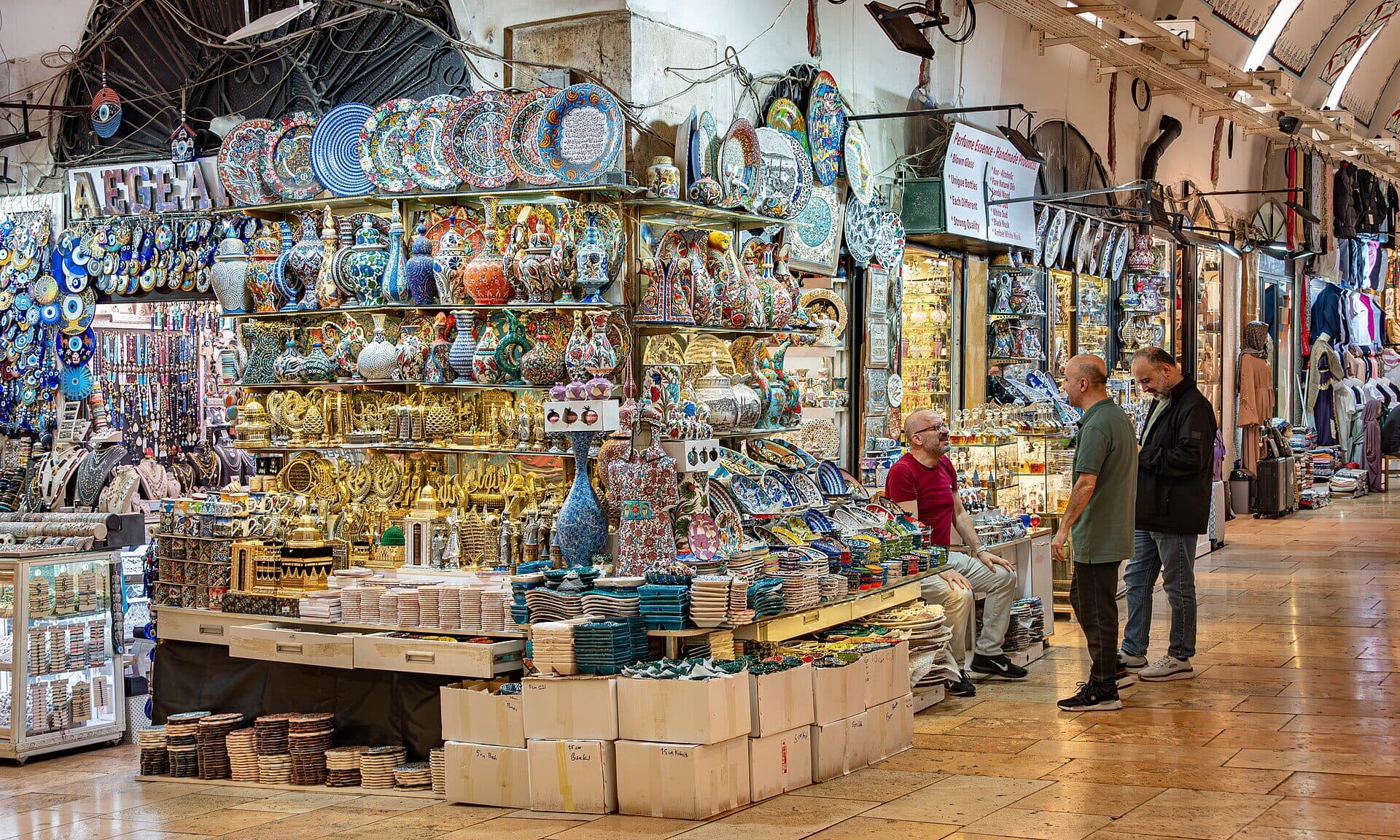
- In Deira, follow the Spice Souk into the Gold Souk; more than 300 jewellers, prices by weight plus a negotiable making charge.
- Return through Al Seef, the restored waterfront with cafés facing the dhow wharves, lit at night.
Hours and etiquette
Souks open around 10:00, pause 13:00–16:00 for many shops, and are liveliest 17:00–22:00. Friday mornings are quiet. Bargaining is expected in the souks and not in Al Fahidi's cafés. Dress modestly — shoulders and knees covered — as a courtesy in this part of town.
Frequently asked questions
Red Line to BurJuman, change to the Green Line for one stop to Al Fahidi; about 25 minutes. Taxis take 15–20 minutes outside rush hour.