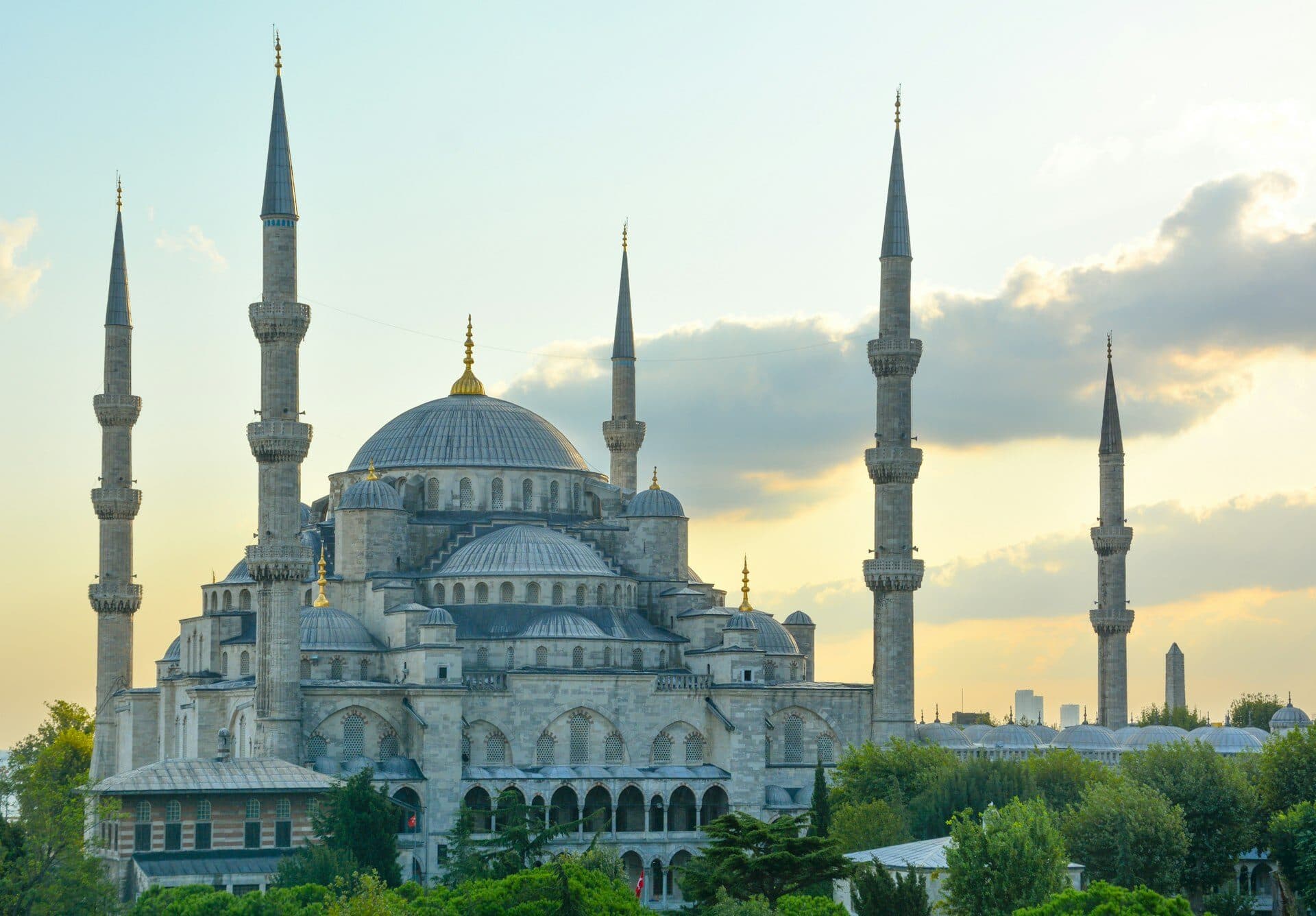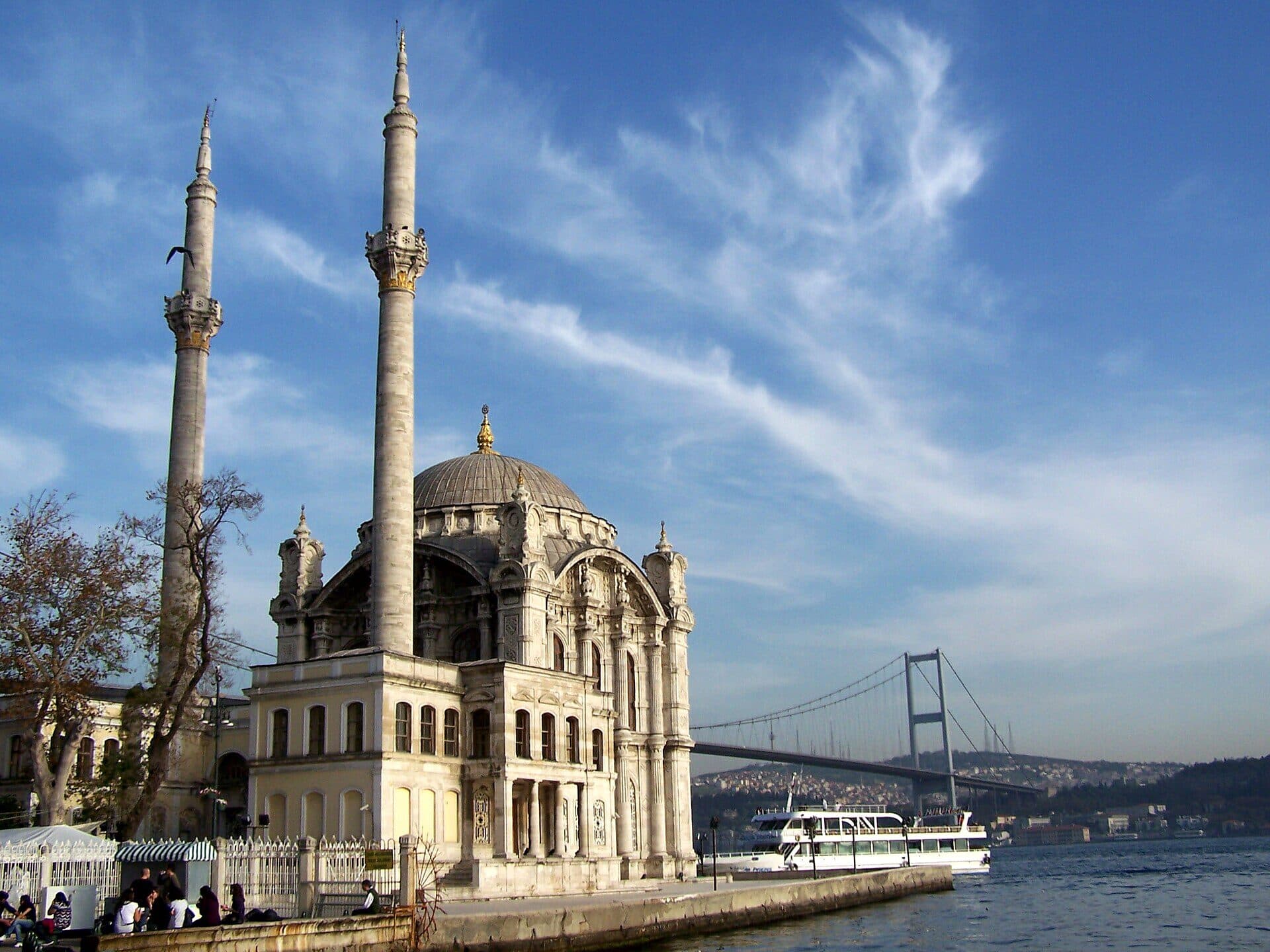
Dolmabahçe Palace
The 285-room European-style palace on the Bosphorus shore that replaced Topkapı in 1856 — crystal staircases, the world's largest chandelier, and the room where Atatürk died at 9:05 on 10 November 1938, its clocks still stopped.
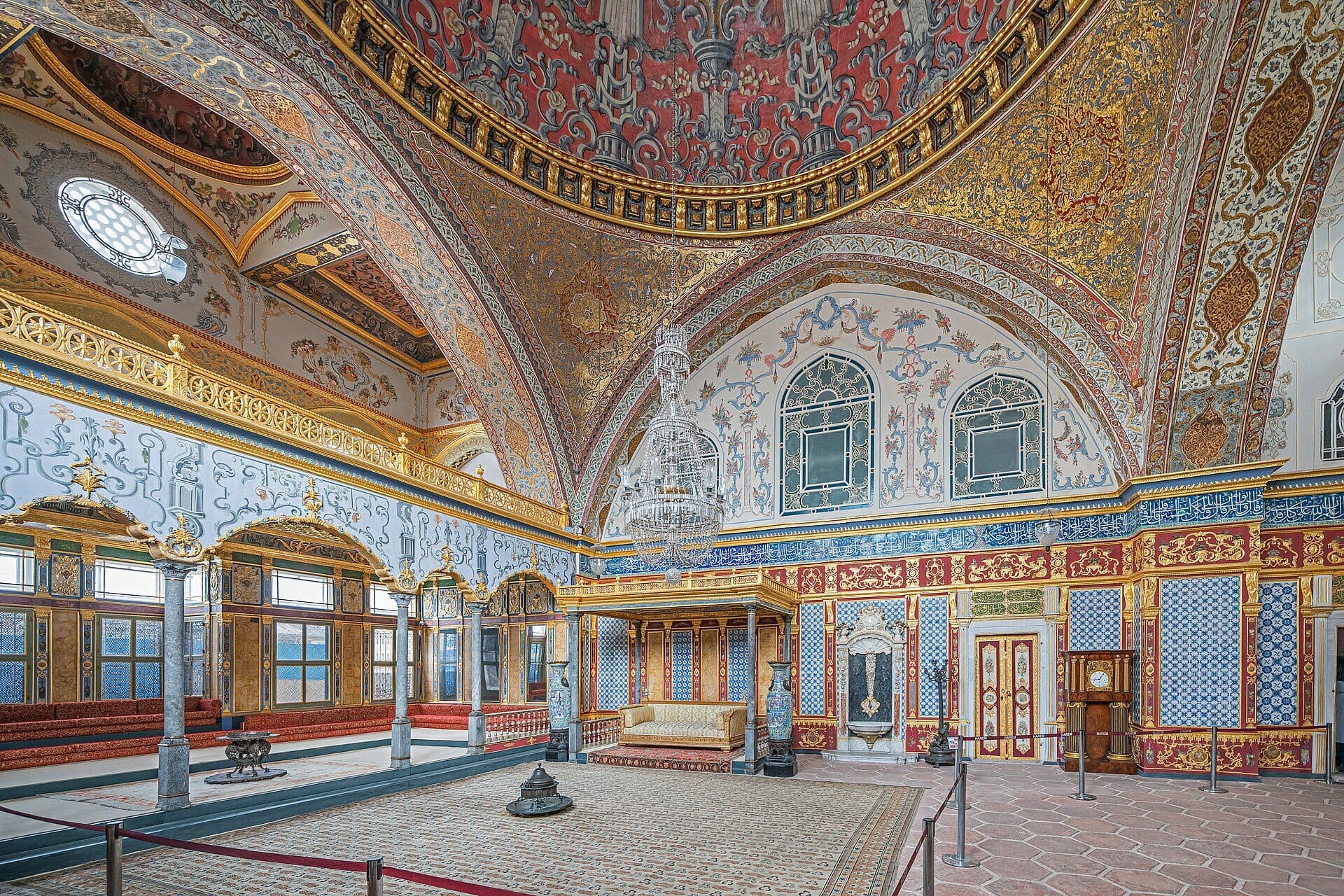
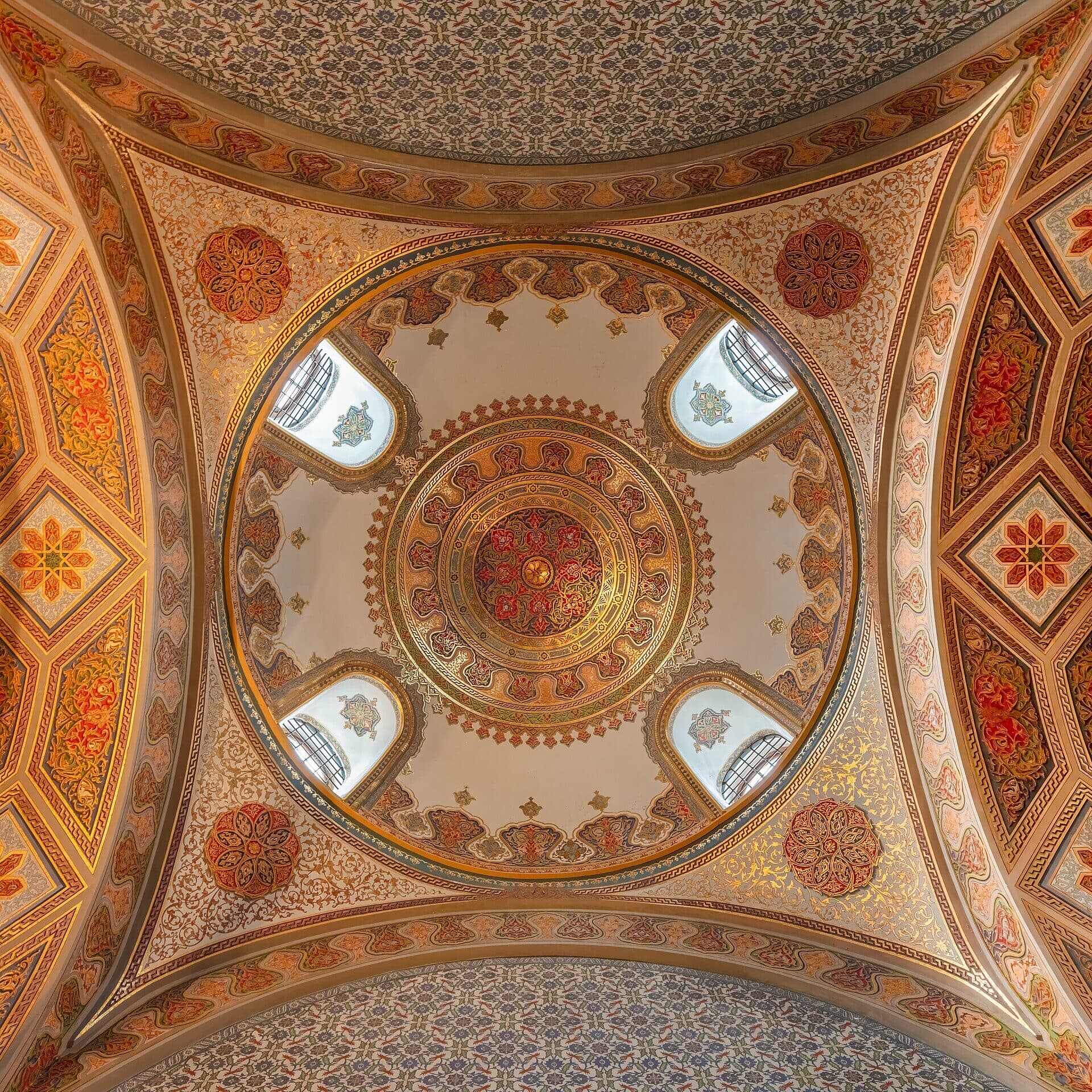
Sultan Abdülmecid I built Dolmabahçe between 1843 and 1856 to show a modernising empire keeping up with Europe: 14 tonnes of gold leaf, Baccarat and Bohemian crystal, a 4.5-tonne chandelier in the Ceremonial Hall, and 600 metres of Bosphorus frontage behind a marble quay. Six sultans lived here; the last caliph left from here; and the republic's founder used it as his Istanbul residence.
The visit
- Selamlık: the public and ceremonial wing — the Crystal Staircase, the Ambassadors' Hall and the Ceremonial Hall under the great chandelier.
- Harem: the private apartments, with Atatürk's bedroom where every clock stands at 9:05.
- Both are visited on a set route; allow two hours for the pair, plus the gardens, the clock tower and the waterside gate.
- The National Palaces painting museum in the crown-prince's quarters is included in the combined ticket.
Practical
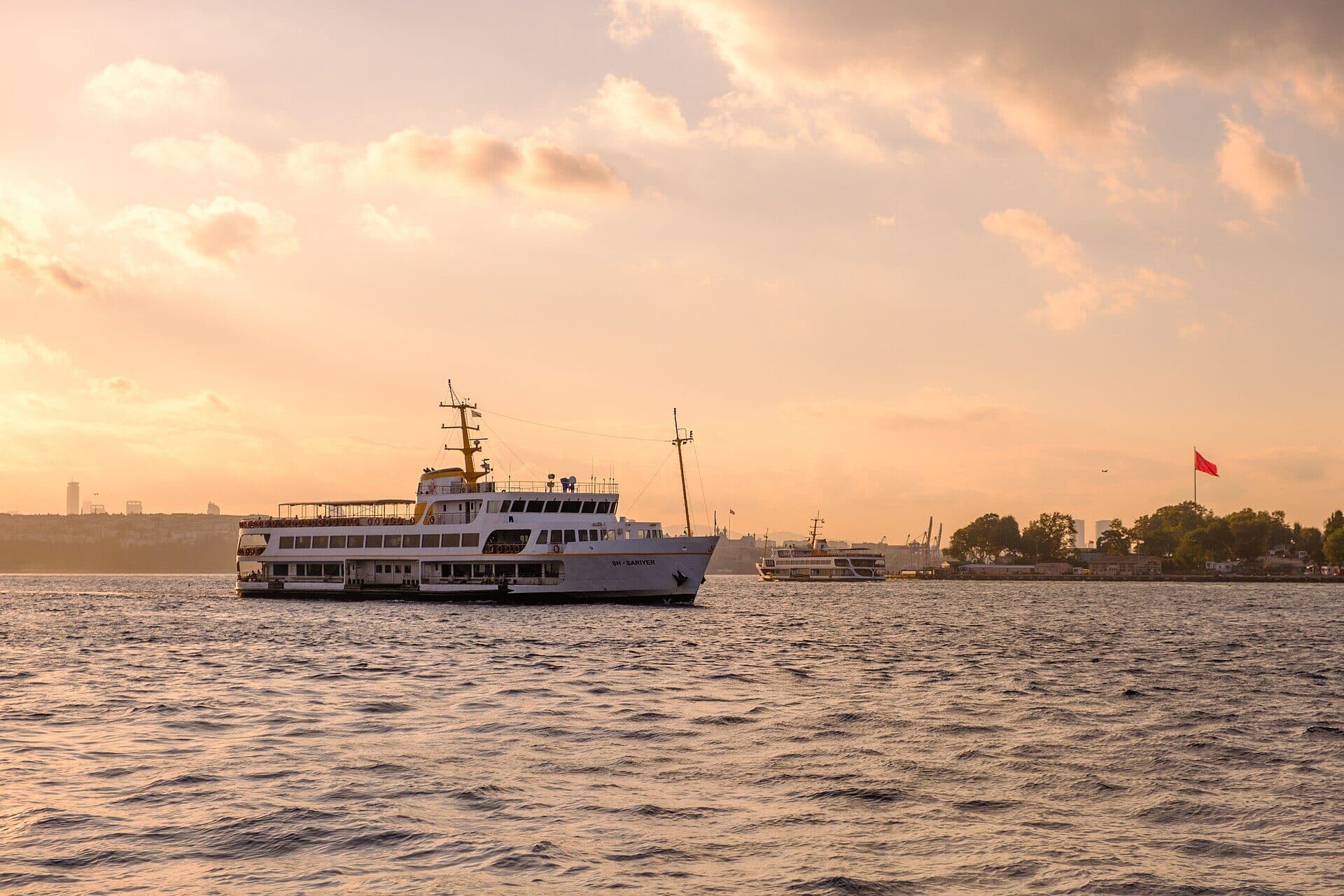
Closed Mondays; open roughly 09:00–18:00 with last entry at 17:00, and busiest late morning when the coaches arrive. Foreign visitors buy a separate-price combined ticket; the Museum Pass İstanbul does not cover the palace. Tram T1 to Kabataş and a five-minute walk, or the F1 funicular down from Taksim. A Bosphorus cruise afterwards passes the façade — the way the palace was meant to be seen.
Frequently asked questions
Yes — it is the most opulent interior in Istanbul and the counterpart to Topkapı: the Ottoman court in its last, European chapter.