Topkapı Palace
The Ottoman sultans' palace-city on the tip of the old peninsula, home of the empire for four centuries — four courtyards, the Harem, the Treasury's Spoonmaker's Diamond and the Sacred Relics, closed on Tuesdays.
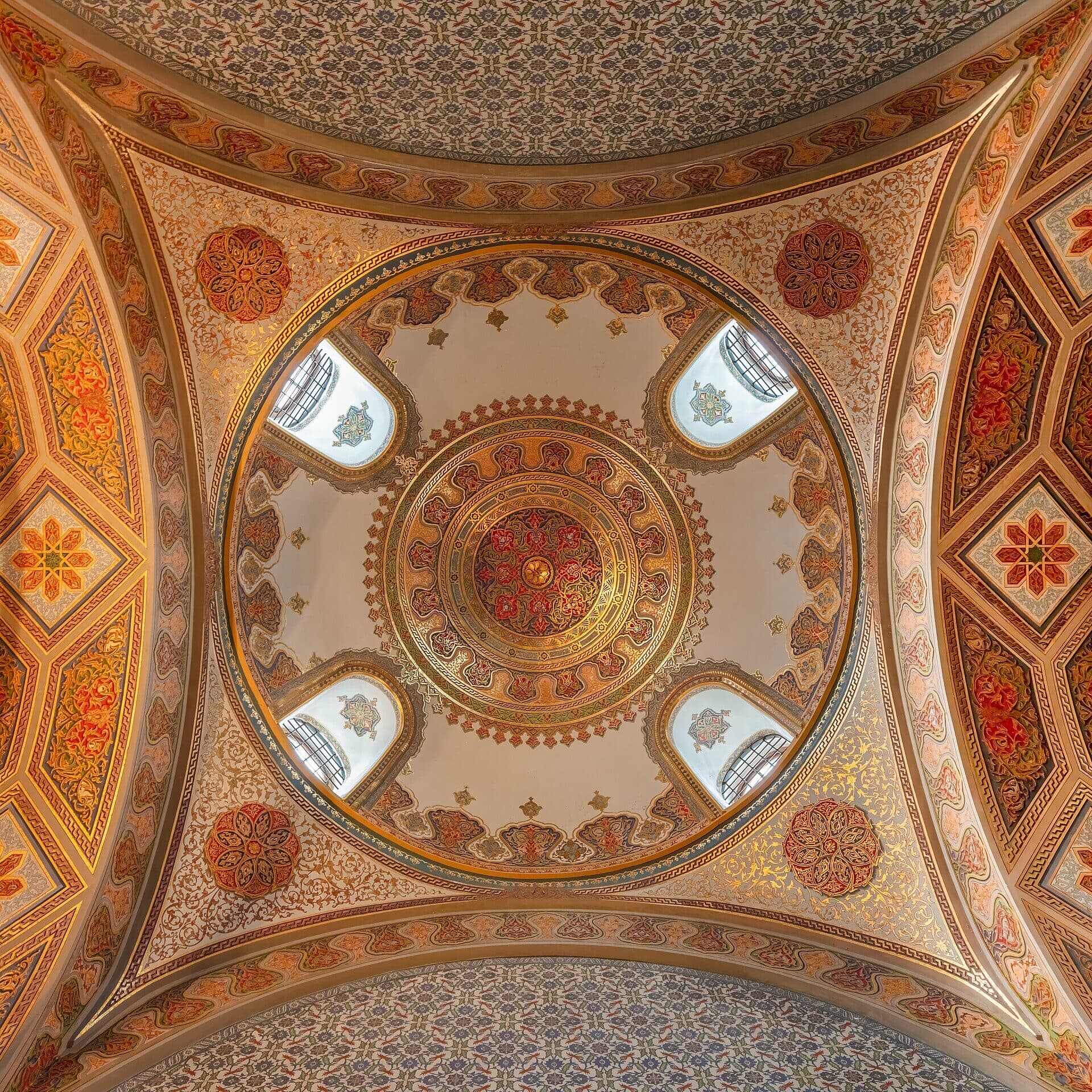
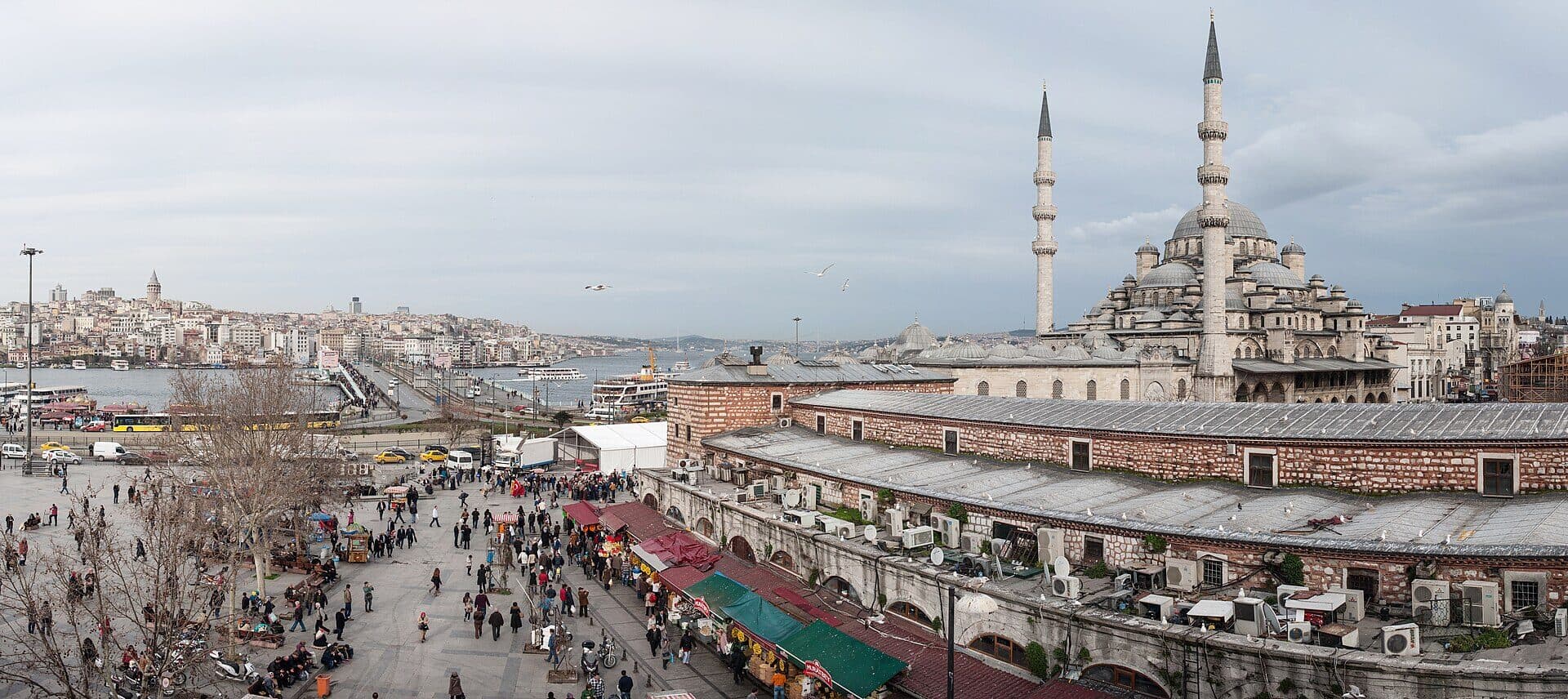
Mehmed the Conqueror began Topkapı in the 1460s on the point where the Golden Horn meets the Bosphorus, and 25 sultans ruled from it until Dolmabahçe replaced it in 1856. It is not one building but a walled complex of courtyards, kiosks and gardens: the Ottomans thought of power as a series of gates, each admitting fewer people, until the sultan's private world at the far end.
The courtyards
- First Court: free to enter — Hagia Irene church and the ticket offices under the plane trees.
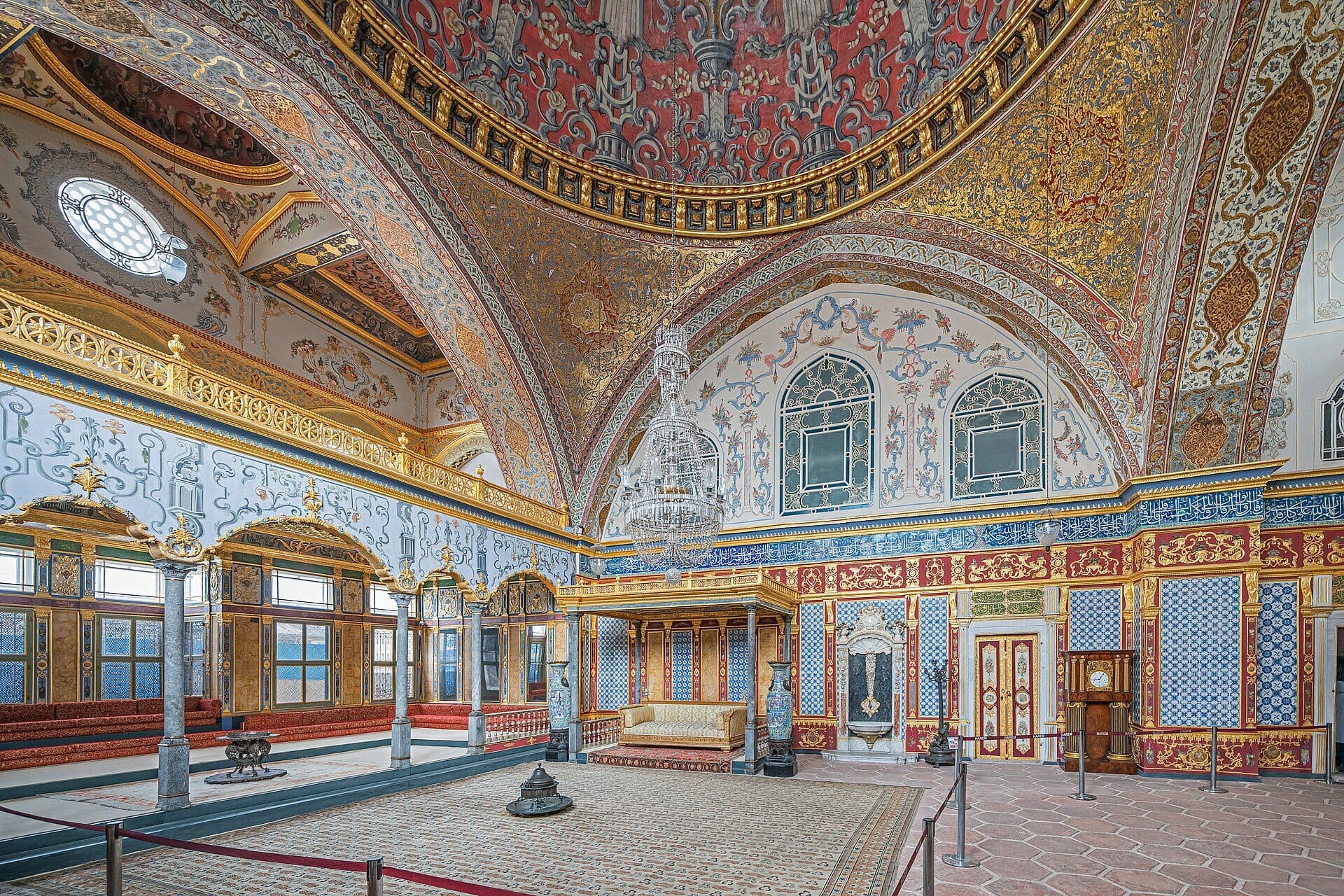
- Second Court: the Imperial Council chamber, the kitchens with their Chinese porcelain collection, and the entrance to the Harem (separate ticket, worth it).
- Third Court: the Audience Hall, the Library, the Sacred Relics (the Prophet's mantle and sword, Moses' staff) with a hafiz reciting the Quran continuously, and the Treasury — the 86-carat Spoonmaker's Diamond and the Topkapı Dagger.
- Fourth Court: pavilions and terraces with the best Bosphorus view in the Old City, and the Baghdad Kiosk.
Practical
Closed Tuesdays. Open roughly 09:00–18:00 in summer and to 16:30 in winter; last entry an hour before. Foreign visitors buy a separate-price combined ticket for the palace, Harem and Hagia Irene; the Museum Pass İstanbul covers Topkapı but the Harem may require an add-on. Allow three hours, half a day with the Harem — and go at opening, because tour groups arrive from 10:00.
Frequently asked questions
Yes — it is the most complete surviving Islamic royal palace in the world and the single best window on the Ottoman court; allow at least three hours.