Turkish Tea & Turkish Coffee
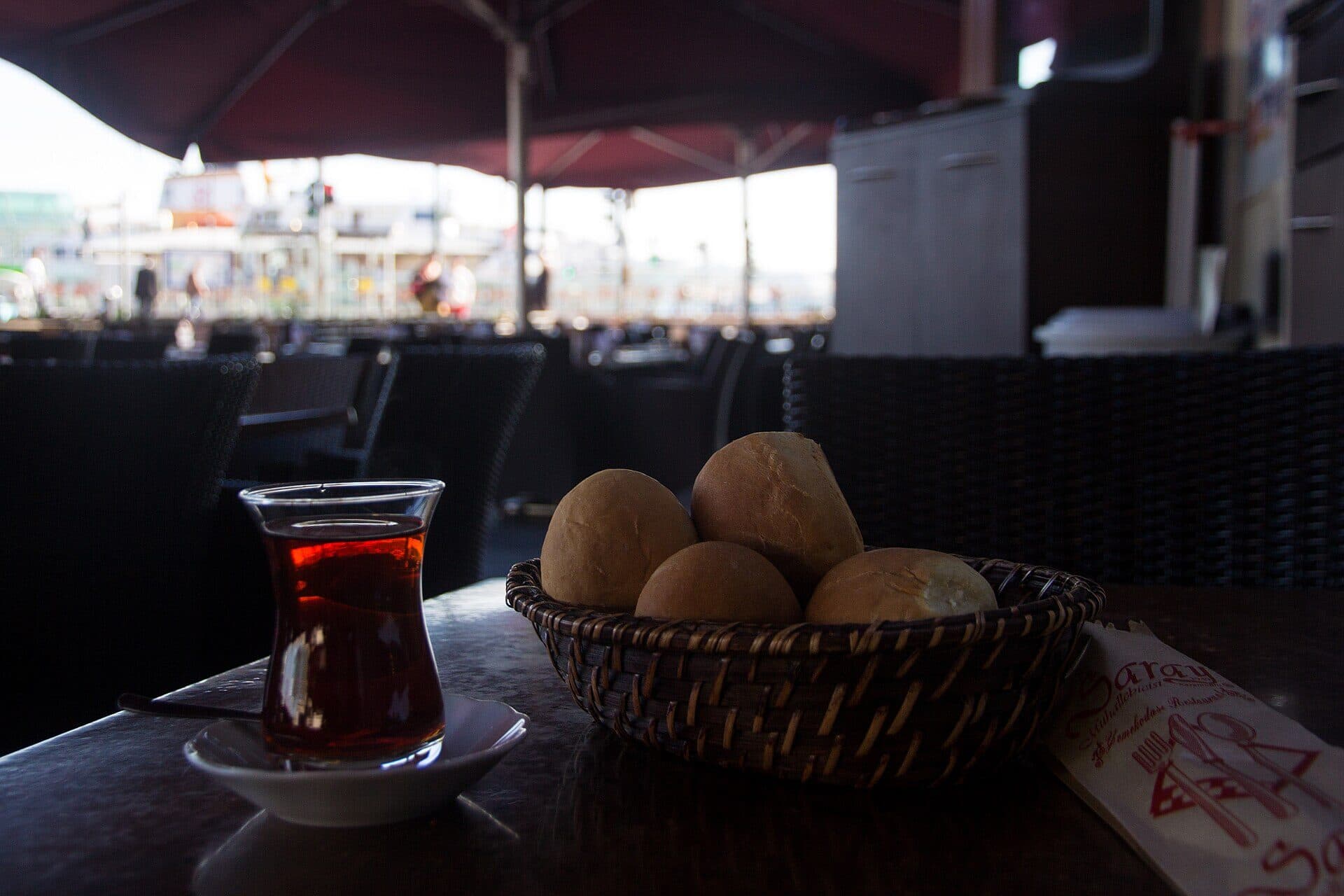
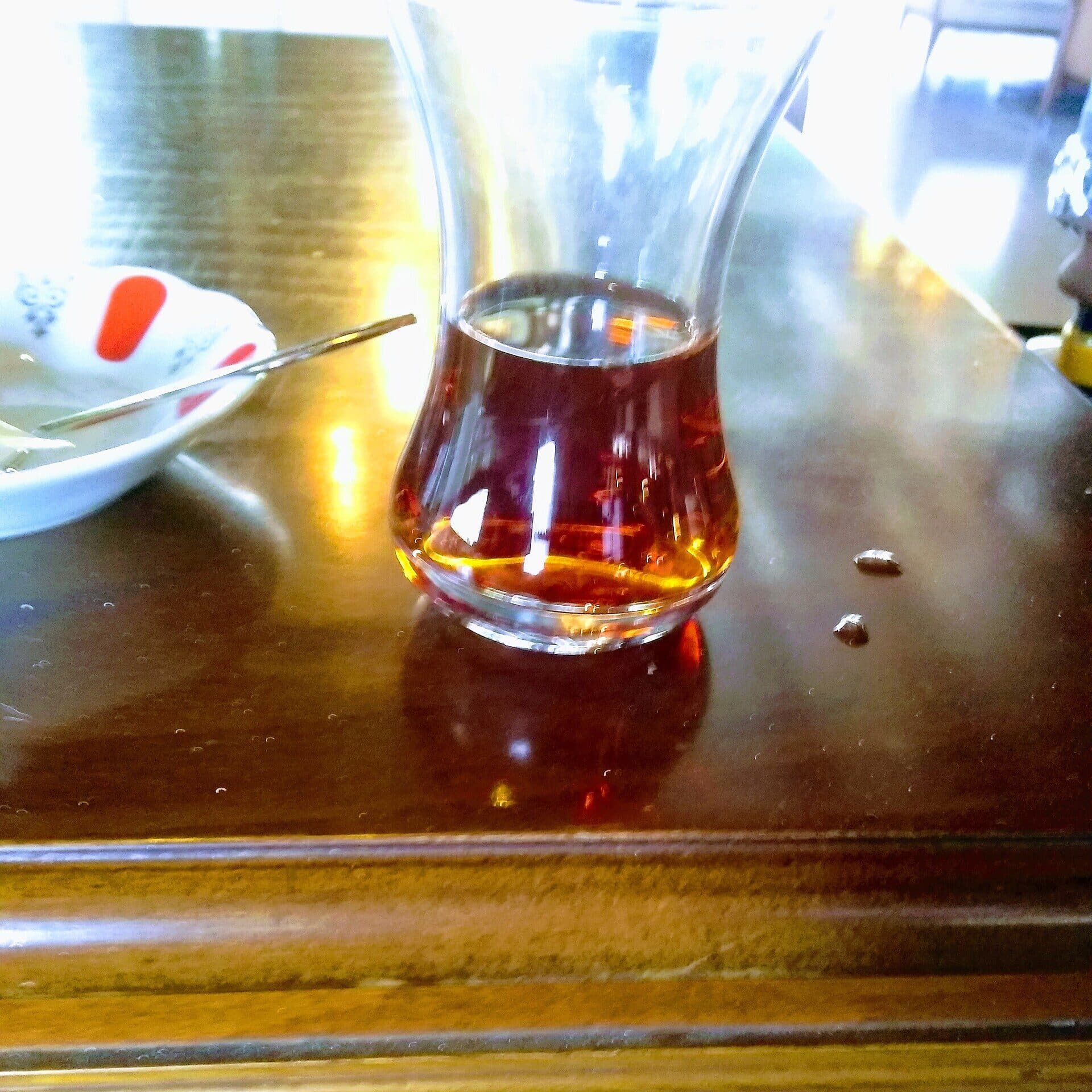
Tea in a tulip glass is the drink of Türkiye — offered in every shop, drunk a dozen times a day — while Turkish coffee, thick and unfiltered, is the ceremony: ordered by sugar level, served with water, and read in the grounds.
Turks drink more tea per person than anyone on earth — around 3 kg a year — almost all of it grown on the Black Sea coast around Rize. Coffee came first, through Yemen and the Ottoman court in the 1500s, and Istanbul's coffeehouses were Europe's original; but tea took over in the 20th century when coffee became an expensive import, and it has never let go.
Tea (çay)
- Brewed in a two-tier çaydanlık: strong tea in the small top pot, hot water below; your glass is mixed to taste — 'koyu' (dark) or 'açık' (light).
- Served in a tulip-shaped glass on a saucer with two sugar cubes; never with milk.
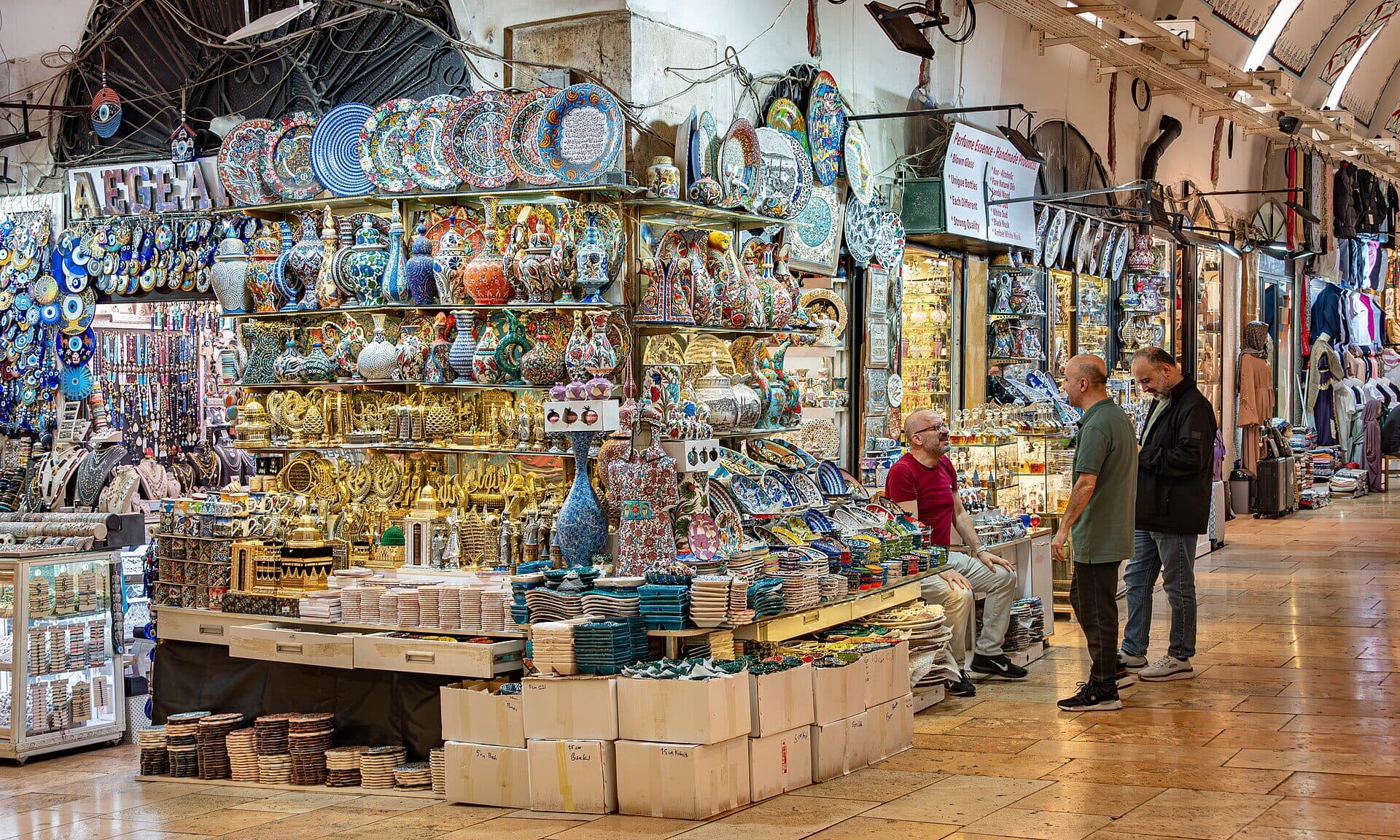
- It arrives unasked in carpet shops, at the barber, during any negotiation; accepting it does not oblige you to buy.
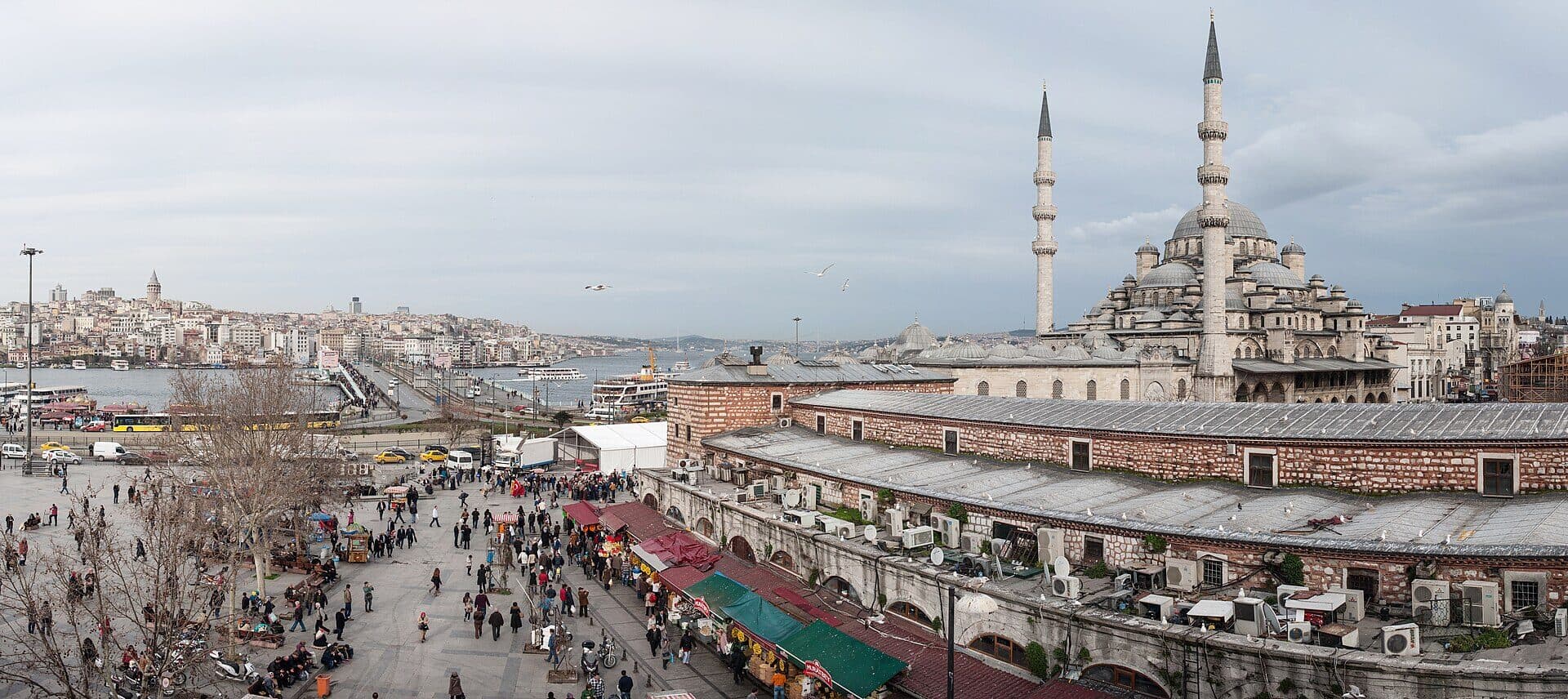
- A glass costs almost nothing in a neighbourhood tea garden (çay bahçesi); the view is what you pay for on the Bosphorus.
Coffee (Türk kahvesi)
Finely ground beans are simmered with water — and sugar, if any — in a small copper cezve until a foam forms, then poured grounds and all into a demitasse. Order by sweetness: sade (none), az şekerli (a little), orta (medium), şekerli (sweet); sugar cannot be added after. Drink slowly, stop before the sludge, and turn the cup over on the saucer if someone offers to read your fortune. UNESCO listed the tradition in 2013. Kurukahveci Mehmet Efendi's shop by the Spice Bazaar has ground the city's coffee since 1871.
Frequently asked questions
No — always black, in a small tulip glass, with sugar cubes on the side.